

How Dental Crowns Can Save a Damaged Tooth
Dental crowns are a popular and effective solution for restoring damaged or weakened teeth. Whether your tooth is cracked, decayed, or has undergone a root canal, a dental crown can not only protect the tooth but also enhance its function and appearance. In this blog, we’ll explore how dental crowns work, their benefits, and why they are essential in saving a damaged tooth.
What is a Dental Crown?
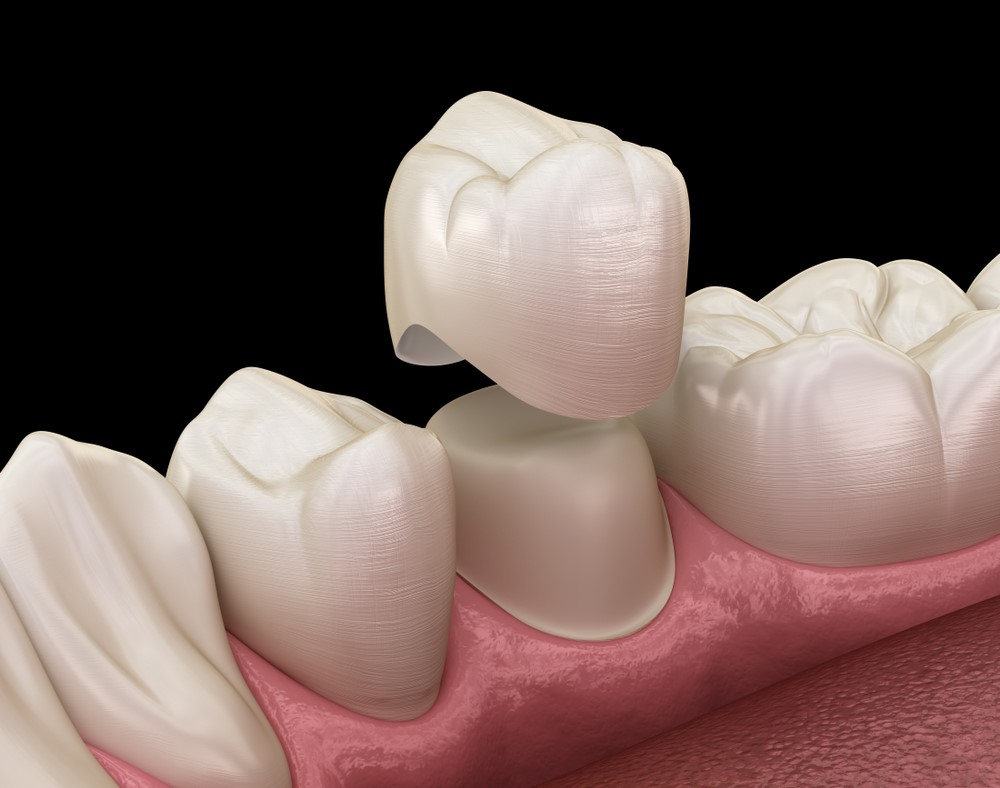
A dental crown is a tooth-shaped cap placed over a damaged tooth to restore its shape, size, strength, and appearance. It fully encases the visible portion of the tooth above the gum line, effectively protecting it from further damage and restoring its functionality. Dental crowns are typically made from various materials such as:
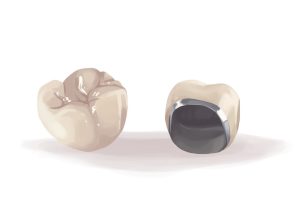
- Porcelain or ceramic: These materials provide a natural appearance, matching the color of your surrounding teeth.
- Metal alloys: Gold, palladium, or nickel crowns are highly durable and can withstand chewing pressure but may be more noticeable.
- Porcelain-fused-to-metal: Combines the strength of metal with the aesthetic appearance of porcelain.
- Zirconia: Known for its strength and natural look.
When Do You Need a Dental Crown?
A dental crown is often recommended in several situations where the tooth’s structure is compromised:
- Severe decay: When a cavity is too large for a filling, a crown can cover and protect the remaining tooth structure.
- Cracked or fractured teeth: A cracked tooth can weaken over time and lead to further damage. A crown prevents the crack from worsening.
- After a root canal: Teeth that have undergone root canal treatment are often more fragile and need a crown to prevent future damage.
- Tooth restoration: In cases of worn-down or broken teeth, crowns can restore their size, shape, and function.
- Cosmetic improvement: Dental crowns can also enhance the appearance of a misshapen or severely discolored tooth.
How Dental Crowns Save a Damaged Tooth
1. Protects Weakened Teeth
A damaged tooth is vulnerable to further harm, whether through daily use, decay, or infection. Dental crowns act as a shield by covering the entire tooth, thus preventing bacteria from entering and protecting the tooth from physical damage.
2. Restores Functionality
When a tooth is damaged, chewing, biting, or even speaking may become difficult. A crown restores the tooth’s strength and function, allowing you to use the tooth normally. Whether you’re chewing food or speaking, a crown reinforces the tooth so you can continue daily activities without discomfort.
3. Prevents Tooth Loss
In many cases, if a damaged tooth is left untreated, it may eventually need to be extracted. A dental crown can save the tooth by reinforcing its structure, preventing it from deteriorating further. This not only saves you from the pain and inconvenience of tooth loss but also maintains your natural bite and smile.
4. Aesthetic Improvement
Crowns, especially those made from porcelain or ceramic, are designed to look like your natural teeth. They blend seamlessly with the rest of your smile, hiding any discoloration or imperfections from the damage. This not only restores the function of the tooth but also its appearance, boosting your confidence.
5. Durable and Long-lasting Solution
When properly maintained, dental crowns can last for 10-15 years or even longer. With regular dental check-ups, good oral hygiene practices, and avoiding habits like teeth grinding or biting hard objects, crowns provide a long-term solution for tooth preservation.
The Dental Crown Procedure: What to Expect
Step 1: Evaluation and Preparation
Your dentist will first examine the tooth to determine if a crown is the right solution. If there’s significant decay or infection, a root canal may be required before placing the crown. The tooth is then reshaped to make space for the crown.
Step 2: Impressions
After reshaping the tooth, your dentist will take impressions of the tooth and the surrounding area. These impressions are sent to a dental lab, where your custom crown will be made to fit perfectly.
Step 3: Temporary Crown
While waiting for the permanent crown, a temporary crown is placed over the tooth to protect it. This temporary crown is not as durable as the final one but will maintain function and comfort until your next visit.
Step 4: Placement of Permanent Crown
Once the permanent crown is ready, your dentist will remove the temporary crown and carefully fit the new one over your tooth. The crown is then cemented into place, ensuring a secure and comfortable fit.
Benefits of Dental Crowns
- Enhanced Strength: Crowns protect the remaining tooth structure, making it stronger and more resilient.
- Natural Appearance: Custom-made to match the color and shape of your natural teeth, dental crowns provide a seamless look.
- Long-term Durability: Crowns are durable and can last for many years with proper care.
- Preservation of the Tooth: Crowns help preserve your natural tooth, avoiding the need for extraction or more invasive procedures.
FAQs About Dental Crowns
1. How long do dental crowns last?
Dental crowns typically last between 10 and 15 years with proper care. Regular dental check-ups, good oral hygiene, and avoiding hard foods can extend their lifespan.
2. Does getting a dental crown hurt?
The procedure is generally painless, as your dentist will use local anesthesia to numb the area. Some patients may experience mild discomfort afterward, but it’s usually manageable with over-the-counter pain relief.
3. How should I care for my dental crown?
You should care for a dental crown just like your natural teeth. Brush and floss daily, and avoid biting down on hard objects like ice or pens. Regular dental visits will help ensure the crown remains in good condition.
4. Can a dental crown be replaced?
Yes, dental crowns can be replaced if they become worn or damaged. Your dentist will assess the situation and recommend a new crown if necessary.
Conclusion
Dental crowns are a versatile and effective way to restore damaged teeth, helping you maintain your oral health and smile. At Sunrise Dental, we specialize in using crowns to reinforce the tooth’s structure, protect against further damage, and preserve the function and appearance of your teeth for years to come. If you have a damaged tooth, don’t wait to talk to your Peoria dentist to see if a dental crown is the right option for you.