


Root Canal or Extraction: Which is Right for You?
When you’re faced with a severely damaged or decayed tooth, your dentist may present you with two common options: a root canal or an extraction. Both treatments aim to alleviate pain and infection, but they differ significantly in their approaches and long-term effects on your oral health. Understanding the differences, benefits, and risks of each procedure can help you make an informed decision. In this blog, we’ll break down both treatments, helping you choose the best option for your needs. Root canal vs extraction is an important factor to consider when deciding the most suitable option for your situation.
What is a Root Canal?
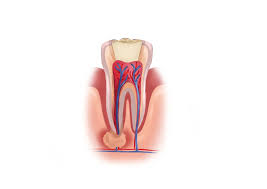
A root canal is a dental procedure designed to save a tooth that is severely decayed or infected. The treatment involves removing the infected or damaged pulp inside the tooth, cleaning and disinfecting the canals, and then sealing the space to prevent further infection.
Benefits of a Root Canal:
- Preserves the natural tooth: You maintain the integrity of your smile, and it prevents neighboring teeth from shifting.
- Painless procedure: Contrary to popular belief, root canals are relatively painless due to modern anesthesia techniques.
- Quick recovery: Most patients resume normal activities the following day.
- Cost-effective in the long run: Though root canals can be expensive initially, they often prevent the need for more extensive dental work later.
Potential Drawbacks:
- Multiple visits required: In some cases, a root canal may require more than one dental visit.
- Fragility of the tooth: After a root canal, the tooth may become more brittle and often requires a crown for protection.
- Not always possible: If the tooth is too damaged or the infection is widespread, a root canal might not be a viable option.
What is a Tooth Extraction?
Tooth extraction or dental extraction involves completely removing the affected tooth from the socket. This is usually recommended if the tooth is too damaged to be saved or if a root canal has failed. There are two types of extractions : simple and surgical. Simple extractions are performed on visible teeth, while surgical extractions are used for teeth that haven’t erupted or are broken.
Benefits of Extraction:
- Eliminates the problem immediately: Removes the infected or damaged tooth permanently, ensuring no risk of further decay or infection in that area.
- Prepares for dental implants: If a replacement is needed, extracting the tooth opens up the option for a dental implant or bridge.
- Cost-effective short-term solution: Extraction is generally less expensive upfront than a root canal.
Potential Drawbacks:
- Bone loss and shifting teeth: Removing a tooth can cause the bone in your jaw to deteriorate over time, leading to potential problems with neighboring teeth shifting into the empty space.
- Affects your smile and bite: Losing a tooth can impact the aesthetics of your smile and alter your bite, especially if it’s a front tooth.
- Future replacements: After an extraction, you may need to replace the missing tooth with an implant, bridge, or denture, which can become costly.
Root Canal vs. Extraction: Which Should You Choose?
When deciding between a root canal and extraction, consider the following factors:
1. Condition of the Tooth
- Root canal: Best for teeth that are still structurally sound despite decay or infection.
- Extraction: Recommended for teeth that are too damaged to be restored, such as teeth with deep fractures or large cavities beyond repair.
2. Cost Considerations
- Root canal: While initially more expensive, it can be more cost-effective long-term as it saves the natural tooth, reducing the need for future dental work.
- Extraction: Cheaper upfront, but if you opt for a replacement tooth (such as an implant or bridge), the total cost can rise significantly.
3. Pain and Recovery
- Root canal: Modern root canals are relatively painless, and recovery time is short. However, the tooth may require further protection with a crown.
- Extraction: Removing a tooth may result in more post-operative discomfort, particularly if a surgical extraction is required. The recovery process can be longer and may involve further treatment, such as implants.
4. Long-Term Oral Health
- Root canal: Preserves your natural tooth structure, preventing bone loss and keeping your bite intact.
- Extraction: Without a replacement, extractions can lead to bone loss and affect the alignment of other teeth.
5. Future Dental Work
- Root canal: Often, once the procedure is done and a crown is placed, the tooth can last for years or even a lifetime with proper care.
- Extraction: The gap left behind may require an implant or denture, both of which involve additional procedures and costs.
FAQs About Root Canal vs. Extraction
1. Is a root canal painful?
Thanks to modern dental technology and anesthesia, root canals are no more painful than getting a filling. The pain you feel leading up to the procedure is often more severe than the treatment itself.
2. Can I avoid an extraction or root canal?
If caught early, some tooth decay can be treated with fillings or other restorative treatments, but severe damage often necessitates a root canal or extraction.
3. How long does recovery take after an extraction?
Recovery from an extraction can take anywhere from a few days to a week, depending on the complexity of the extraction and your overall health.
4. What is the cost difference between root canal and extraction?
Root canals tend to cost more upfront, especially if a crown is needed. Extractions are generally less expensive, but the cost can increase if a dental implant or bridge is required to replace the missing tooth.
Conclusion: Making the Right Choice for Your Smile
Choosing between a root canal or extraction depends on the condition of your tooth, your budget, and your long-term dental health goals. While root canals aim to save your natural tooth and maintain the integrity of your smile, extractions may be necessary in cases of severe damage. Discuss your options thoroughly with our dentistry Peoria AZ to determine the best course of action for your specific situation.