


Teeth Whitening for Sensitive Teeth: What to Avoid and Choose
Many patients dream of a brighter smile yet hesitate once sensitivity enters the picture. Sharp sensations from hot tea or cold water already cause discomfort, so the thought of whitening can feel stressful. When patients ask about teeth whitening for sensitive teeth, they want reassurance that comfort and results can exist together. Our approach focuses on calm guidance, realistic expectations, and options that respect tooth comfort.
Sensitive teeth do not rule out whitening. With proper planning and smart choices, patients still achieve noticeable brightness without constant discomfort. Patients exploring Teeth Whitening in Peoria, AZ often share worries about pain, enamel wear, and regret after treatment. We address these concerns with careful evaluation and patient-focused care.
Why Teeth Become Sensitive During Whitening
Understanding Tooth Sensitivity
Sensitivity starts inside the tooth. Beneath enamel sits dentin, filled with tiny channels that connect to nerves. Whitening agents travel through enamel to lift stains, which can irritate those nerves.
Sensitivity feels stronger when:
- Enamel appears thin or worn
- Gums pull back and expose roots
- Teeth already react to temperature
- Whitening strength exceeds comfort tolerance
These factors interact closely, which explains why some patients feel discomfort even with short exposure.
How Whitening Products Trigger Sensitivity?
Whitening products open enamel pores for stain removal. When pores stay open longer, nerves react more easily. This reaction explains why some patients experience lingering discomfort after whitening sessions.
Understanding this process helps patients choose safer options and avoid methods that increase nerve response.
What to Avoid With Sensitive Teeth?
Over-the-Counter Products Without Guidance
Many store-bought kits promise fast results. These products often lack customization and gum protection. Ill-fitting trays allow gel to spread onto gums, increasing irritation.
Common issues with unsupervised products include:
- Uneven color results
- Gum soreness and redness
- Increased sensitivity lasting days
- Repeated use within short periods
Patients seeking the best teeth whitening for sensitive teeth benefit from avoiding strong one-size kits that ignore tooth condition.
High Strength Whitening Without Evaluation
High-concentration gels lift stains quickly yet place stress on enamel and nerves. Without prior evaluation, these products raise the chance of discomfort.
Sensitive teeth respond better to controlled strength matched to enamel health. Skipping evaluation raises the risk of prolonged sensitivity.
What to Choose for Sensitive Teeth?
Professional Evaluation First
Professional care begins with a full tooth and gum review. Enamel thickness, gum health, and existing restorations guide whitening decisions.
Patients who consult a Dentist in Peoria AZ, gain access to options chosen for comfort rather than speed. This step lowers risk and supports predictable outcomes.
Low Sensitivity Whitening Options
Several whitening methods suit sensitive teeth. These approaches focus on gradual shade change rather than rapid whitening.
Preferred options include:
- Lower-strength gels are used over longer periods
- Custom trays that limit gum contact
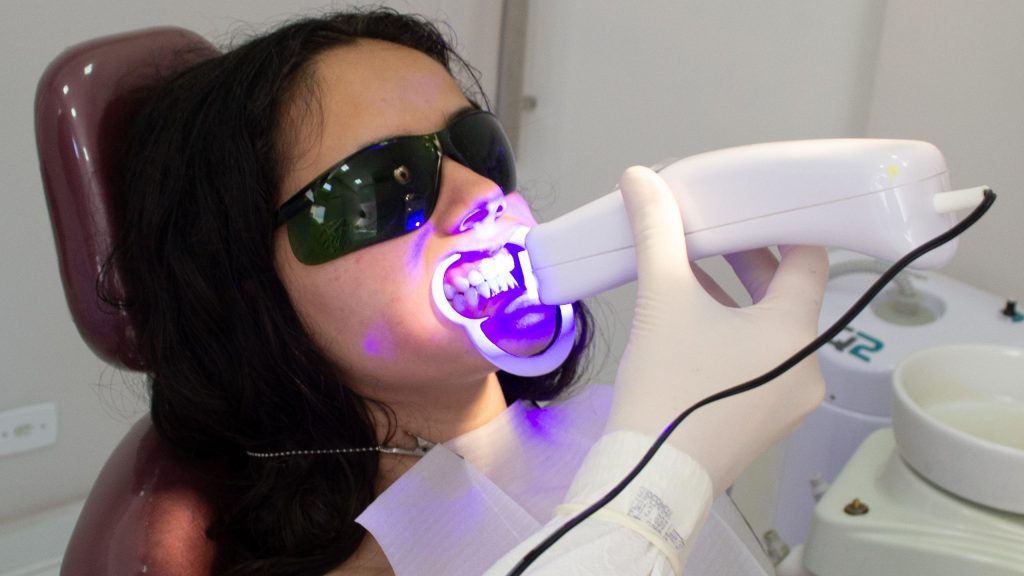
- In-office treatments with protective barriers
- Desensitizing agents are applied before whitening
These methods support whitening for sensitive teeth without overwhelming nerves.
Benefits of Choosing the Right Whitening Method
Comfort During Daily Activities
Sensitive teeth affect eating, drinking, and even breathing in cool air. Whitening methods chosen for comfort reduce flare-ups during daily routines.
Patients report improved comfort when whitening respects enamel limits. This comfort allows patients to enjoy results rather than regret treatment.
More Even and Lasting Results
Gradual whitening produces smoother color changes. Even shade distribution reduces the need for repeat sessions, which protects enamel over time.
Choosing the right approach strengthens long-term satisfaction and builds confidence in smile care.
Practical Tips to Reduce Sensitivity Before Whitening
Preparation Steps That Protect Teeth
Preparation lowers the chance of discomfort. Simple habits help calm nerves before whitening begins.
Helpful preparation includes:
- Using sensitive toothpaste for two weeks
- Avoiding acidic foods before treatment
- Maintaining gentle brushing habits
- Addressing cavities or gum irritation first
These steps build a stronger foundation for whitening success.
Timing and Spacing Matter
Spacing whitening sessions allows enamel recovery. Sensitive teeth respond best when given time between applications.
Rushing treatment increases nerve stress. Patience supports comfort and steadier results.
Managing Sensitivity During Whitening
Monitoring Sensations Closely
Patients should pay attention to early signs of discomfort. Mild tingling differs from sharp pain.
When sensitivity appears:
- Shorten the whitening duration
- Pause treatment for a day
- Use desensitizing toothpaste consistently
Listening to the tooth response helps prevent worsening discomfort.
Professional Support During Treatment
Professional supervision allows adjustments based on patient comfort. Gel strength, timing, and frequency shift as needed.
This flexibility supports patients seeking the best teeth whitening for sensitive teeth without unnecessary discomfort.
Long-Term Care After Whitening
Protecting Enamel and Color
After whitening, enamel needs gentle care. Protective habits help maintain shade and comfort.
Helpful habits include:
- Drinking water after staining beverages
- Brushing with soft bristles
- Avoiding abrasive toothpaste
These habits reduce future sensitivity and color fade.
Ongoing Dental Visits
Routine visits help monitor enamel health and shade stability. Professional guidance supports maintenance rather than repeated full treatments.
This approach protects sensitive teeth while preserving brightness.
Emotional Support for Sensitive Patients
Reducing Anxiety Around Whitening
Fear of pain often stops patients from pursuing cosmetic goals. Clear explanation and patient-paced care ease anxiety.
We focus on:
- Clear expectations
- Comfort first planning
- Respect for patient feedback
This support helps patients feel heard and valued.
Conclusion
Choosing the right approach to teeth whitening for sensitive teeth allows patients to enjoy a brighter smile without ongoing discomfort. Avoiding harsh methods and selecting comfort-focused options protects enamel and nerves. With guidance and planning, sensitive teeth still achieve attractive results.
Patients ready to explore safe whitening options are encouraged to schedule a consultation with our team at Sunrise Dental. A personalized plan helps protect comfort, improve confidence, and support long-lasting smile goals.