

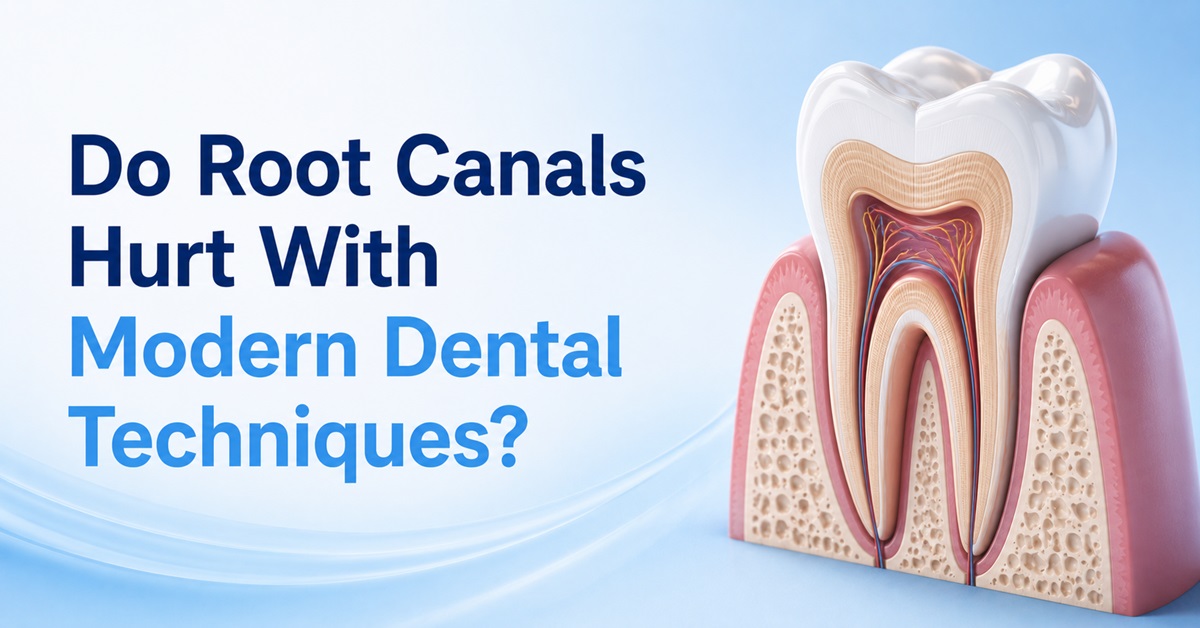
Do Root Canals Hurt With Modern Dental Techniques?
Many patients feel nervous when a dentist recommends a root canal. Fear of pain is often the biggest concern. Questions like do root canals hurt, how bad do root canals hurt, and how much do root canals hurt are common among people facing treatment. At Sunrise Dental, our goal is to help patients feel informed, comfortable, and confident before any procedure. Modern dentistry has changed root canal treatment dramatically, making it far more comfortable than many people expect.
When patients seek Root Canal Therapy in Peoria, AZ, they are often surprised to learn that the procedure is intended to stop pain, not create it. Modern anesthetics, advanced imaging, precise instruments, and improved treatment methods allow dentists to remove infection and protect the tooth with a high level of comfort. Many patients compare the experience to receiving a standard dental filling rather than undergoing a major procedure.
What Is a Root Canal?
A root canal is a treatment used to remove infected or damaged tissue from inside a tooth. The inner portion of the tooth contains soft tissue called pulp. When this pulp becomes infected through deep decay, trauma, cracks, or severe damage, pain and inflammation can occur.
The treatment involves:
- Removing infected or damaged pulp from inside the tooth.
- Cleaning and disinfecting the root canals.
- Filling the canals with a protective material.
- Sealing the tooth to prevent future infection.
- Restoring strength and function with a filling or crown when needed.
The purpose of treatment is to save the natural tooth and eliminate discomfort.
Why Do People Think Root Canals Hurt?
Many fears about root canals come from stories that were shared decades ago. Dental technology has advanced significantly since then.
Several factors contribute to these concerns:
- Patients often associate root canals with severe tooth pain that already exists before treatment.
- Old stories from family members may reflect experiences from many years ago.
- Anxiety can increase sensitivity and create fear before the appointment.
- Online myths sometimes spread inaccurate information about dental procedures.
In reality, most discomfort occurs from the infection itself rather than the treatment used to remove it.
Do Root Canals Hurt During the Procedure?
The short answer is usually no.
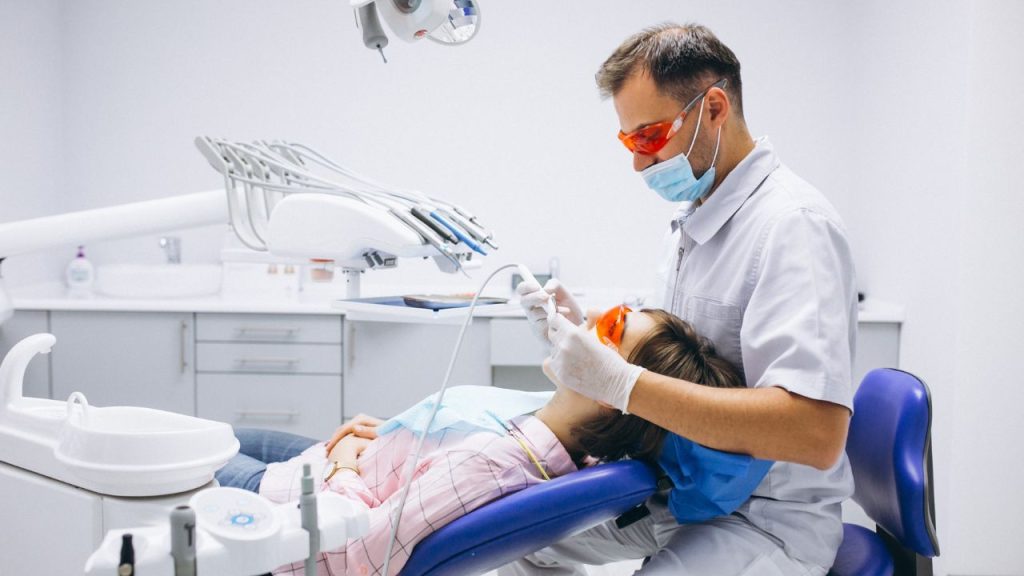
Modern local anesthesia effectively numbs the treatment area before work begins. Patients may feel pressure, vibration, or movement, though sharp pain is uncommon during treatment.
Current dental advancements include:
Advanced Local Anesthesia
Modern numbing medications work quickly and effectively.
Benefits include:
- Improved comfort during treatment.
- Better control of pain sensations.
- Longer-lasting numbness during procedures.
- Reduced anxiety related to treatment discomfort.
Digital Imaging
Digital imaging helps dentists identify infection accurately.
Advantages include:
- Precise treatment planning.
- Better visibility of root structures.
- Reduced guesswork.
- More efficient treatment sessions.
Modern Rotary Instruments
Contemporary root canal instruments are more precise than older hand tools.
These instruments help:
- Clean canals efficiently.
- Reduce treatment time.
- Improve accuracy.
- Increase patient comfort.
For most patients asking how much do root canals hurt, the experience is often less uncomfortable than expected.
How Bad Do Root Canals Hurt Compared to Tooth Pain?
Many patients arrive with severe toothaches before treatment. Infected pulp tissue can cause throbbing pain, sensitivity to temperature, swelling, and difficulty chewing.
When comparing untreated infection with root canal treatment:
- Infection often causes continuous discomfort.
- Swelling may create pressure around the tooth.
- Everyday activities can become difficult.
- Sleep may be interrupted by pain.
Root canal therapy addresses the source of these problems. Most patients report feeling relief after treatment rather than increased discomfort.
Do Root Canals Hurt After Treatment?
One of the most common questions is do root canals hurt after the procedure.
Mild soreness is normal for a few days. This sensation differs from infection pain and is usually related to healing tissues around the tooth.
Patients may experience:
- Mild tenderness when biting.
- Slight sensitivity around the treatment area.
- Temporary soreness in surrounding tissues.
- Minor jaw fatigue from keeping the mouth open.
These symptoms often improve within several days.
Helpful recovery tips include:
- Taking medications as directed.
- Avoiding hard foods initially.
- Maintaining excellent oral hygiene.
- Following post-treatment instructions carefully.
- Attending recommended follow-up visits.
If discomfort increases rather than improves, contacting the dental office is recommended.
Why Do My Root Canal Tooth Hurt After Treatment?
Patients sometimes ask, why do my root canal tooth hurt after treatment.
Several reasons may contribute to temporary discomfort:
Healing Inflammation
The tissues around the root may remain inflamed for a short period after treatment.
This can create:
- Mild pressure.
- Sensitivity when chewing.
- Temporary tenderness.
Bite Adjustment Issues
Occasionally, a restoration may sit slightly high.
This can result in:
- Discomfort during biting.
- Pressure sensations.
- Localized tenderness.
A simple adjustment can often resolve the issue.
Pre Existing Infection
A tooth with significant infection may require additional healing time.
Severe infections can leave surrounding tissues irritated even after bacteria have been removed.
Temporary Restorations
Some patients receive temporary restorations before a permanent crown.
Temporary materials may contribute to minor sensitivity until final restoration is completed.
Factors That Influence Root Canal Comfort
Every patient is unique. Several factors affect the overall experience.
Severity of Infection
Advanced infections may cause more inflammation before treatment begins.
Individual Pain Sensitivity
People experience discomfort differently based on their personal pain threshold.
Anxiety Levels
Dental anxiety can increase stress and heighten awareness of sensations.
Tooth Location
Molars may involve additional complexity compared with front teeth.
Even with these factors, modern treatment methods help create a more comfortable experience than many patients anticipate.
How Dentists Help Patients Feel Comfortable
A caring Dentist Peoria AZ focuses on patient comfort from the first consultation through recovery.
Comfort measures may include:
- Thorough examinations before treatment.
- Clear communication about each step.
- Effective local anesthesia.
- Gentle treatment techniques.
- Regular comfort checks throughout the procedure.
- Personalized aftercare instructions.
Good communication often reduces fear and helps patients feel more relaxed during treatment.
Practical Tips Before a Root Canal Appointment
Preparing properly can improve the overall experience.
Get a Good Night’s Sleep
Adequate rest can help the body respond better to treatment.
Eat a Healthy Meal
Unless instructed otherwise, eating beforehand can help maintain comfort during the appointment.
Ask Questions
Patients who understand the process often feel less anxious.
Questions may include:
- What should be expected during treatment?
- How long will the procedure take?
- What recovery steps should be followed?
- When can normal activities resume?
Follow All Instructions
Pre-treatment guidance helps support a smooth experience.
Can Root Canal Pain Be Prevented in the Future?
Preventing severe dental infections begins with daily oral care.
Helpful habits include:
- Brushing twice daily with fluoride toothpaste.
- Flossing every day.
- Attending routine dental examinations.
- Scheduling cleanings regularly.
- Addressing cavities early.
- Wearing protective mouthguards during sports.
Early treatment often prevents small problems from becoming serious infections.
The Truth About Modern Root Canal Therapy
When patients ask do root canals hurt, the answer is very different today than it was decades ago. Modern anesthesia, advanced diagnostics, improved equipment, and refined techniques have transformed the patient experience.
Questions such as how bad do root canals hurt, how much do root canals hurt, do root canals hurt after, and why do my root canal tooth hurt usually stem from understandable concerns about pain. Most patients discover that the procedure is far more comfortable than expected and provides welcome relief from infection-related discomfort.
Schedule an Appointment Today
A painful tooth should never be ignored. Early treatment can help protect oral health, preserve natural teeth, and prevent more serious complications. At Sunrise Dental, our team is committed to providing compassionate care, patient education, and comfortable treatment experiences. Contact our office today to schedule an appointment, discuss your symptoms, and learn whether root canal therapy may be the right solution for restoring your healthy smile.