

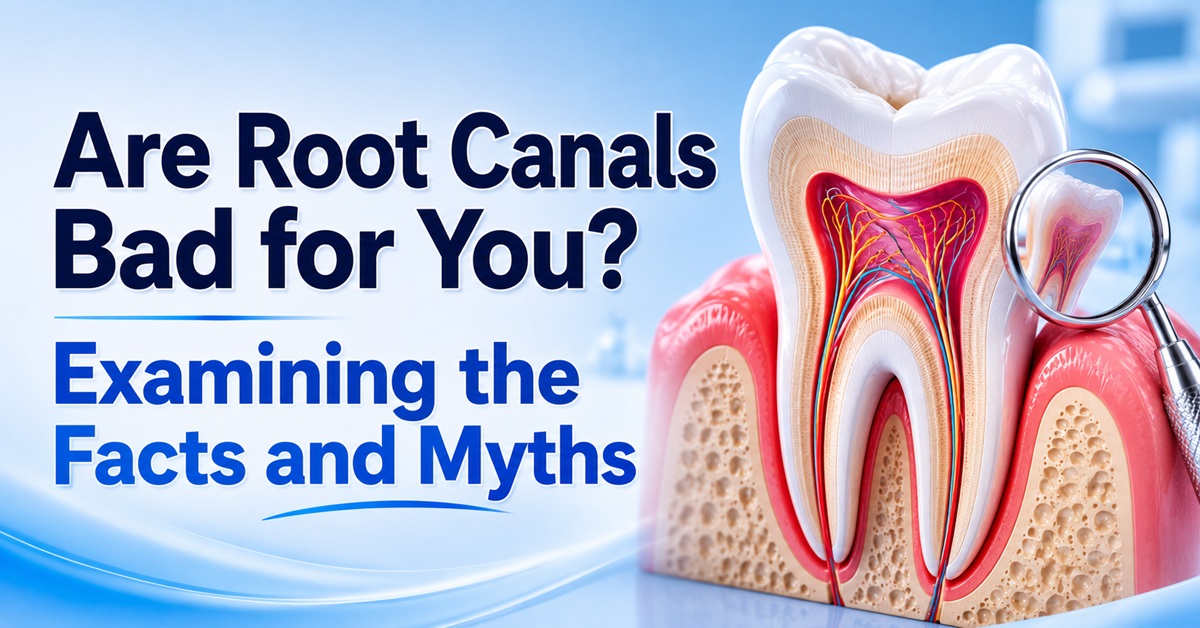
Are Root Canals Bad for You? Examining the Facts and Myths
Many patients feel uncertain when a dentist recommends a root canal. Questions about safety, long term health, infection, and treatment outcomes often create anxiety. One of the most common concerns is are root canals bad for you. Patients want honest answers before making a decision about their oral health.
Patients searching for Root Canal Therapy in Peoria, AZ often come across conflicting information online. Some articles claim root canals are harmful, while others describe them as a safe and effective way to save natural teeth. This mixed information can make it difficult to know what is true and what is simply a myth.
At Sunrise Dental, our goal is to help patients make informed decisions based on facts rather than fear. Root canal treatment has been performed successfully for many years and continues to be a trusted option for preserving natural teeth affected by infection or damage.
When visiting a Dentist in Peoria AZ, patients frequently learn that modern root canal treatment is intended to remove infection, protect surrounding tissues, and restore function. The procedure is focused on improving oral health rather than creating health problems.
What Is a Root Canal?
A root canal is a dental procedure used to treat infection inside a tooth.
Inside every tooth is soft tissue called pulp. This tissue contains nerves, blood vessels, and connective tissue. When the pulp becomes infected through decay, trauma, cracks, or injury, discomfort and swelling may occur.
During treatment, the dentist:
- Removes infected or damaged pulp from the tooth interior.
- Cleans and disinfects the root canal system.
- Fills the cleaned canals with a protective material.
- Seals the tooth to reduce the risk of future infection.
- Restores strength and function with a filling or crown when needed.
The purpose of treatment is to preserve the natural tooth and remove harmful infection.
Why Do People Think Root Canals Are Bad?
Many concerns come from outdated information and long-standing misconceptions.
Years ago, dental procedures were very different from what patients experience today. Some beliefs about root canals originated during a time when dental science and infection control methods were far less advanced.
Several factors contribute to these fears:
- Old theories that suggested links between root canals and unrelated illnesses continue to circulate online even though modern dental science has not supported those claims.
- Personal stories shared by friends or family members may reflect experiences from decades ago rather than current treatment methods.
- Internet discussions often repeat myths without explaining how modern root canal procedures are performed.
- Fear of dental treatment may lead some people to assume that root canals are dangerous when they are actually intended to eliminate infection.
Are Root Canals Bad for You? The Facts
The simple answer is no.
Modern root canal treatment is designed to remove infected tissue and preserve a natural tooth. The procedure addresses infection rather than allowing it to remain inside the mouth.
Patients asking are root canals bad for you are often relieved to learn that the treatment targets bacteria, inflammation, and infection that could otherwise continue to spread.
The goal is to create a healthy environment inside the tooth so it can continue functioning properly.
What Happens if an Infected Tooth Is Not Treated?
An untreated tooth infection may create serious oral health problems.
Possible complications include:
- Increasing pain and sensitivity.
- Swelling around the gums.
- Development of a dental abscess.
- Damage to nearby bone structures.
- Difficulty chewing and speaking comfortably.
- Greater risk of tooth loss.
Many patients discover that preserving the tooth with root canal therapy is preferable to allowing the infection to continue.
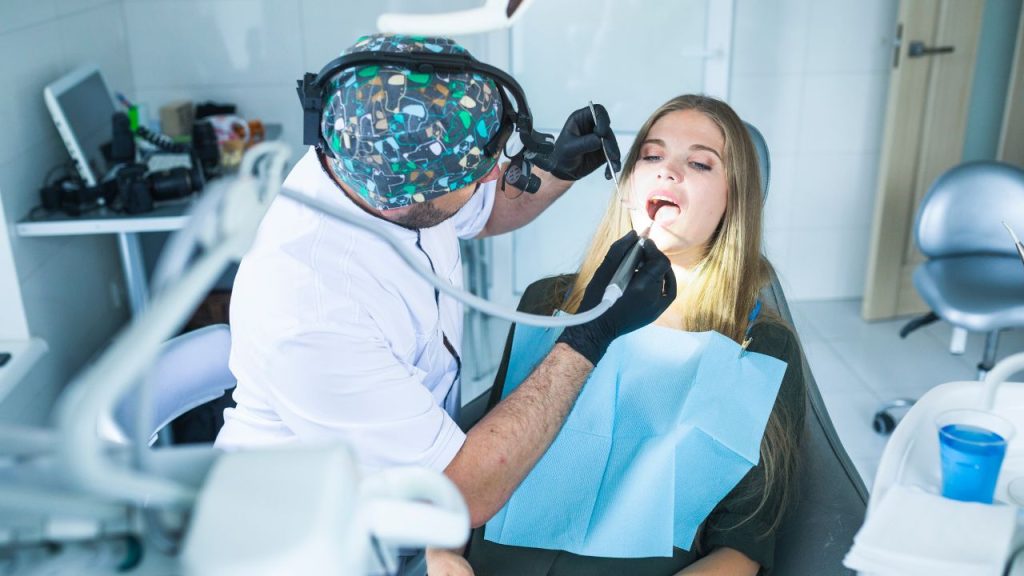
Are Root Canal Bad for You Compared to Extraction?
Another common question is are root canal bad for you when compared with removing the tooth completely.
Dentists often prefer preserving a natural tooth whenever restoration remains possible.
A natural tooth offers several advantages:
Preservation of Natural Function
Keeping the original tooth allows patients to maintain normal chewing function.
Benefits include:
- Better bite balance.
- Natural chewing efficiency.
- Improved comfort during eating.
- Support for neighbouring teeth.
Jawbone Support
Natural tooth roots help stimulate the jawbone.
This stimulation helps maintain:
- Bone density.
- Facial structure support.
- Gum tissue stability.
- Oral alignment.
Removing a tooth may lead to gradual bone loss if the space is not restored.
Reduced Need for Additional Treatment
Saving a tooth may reduce the need for future procedures.
Tooth replacement after extraction may involve:
- Dental implants.
- Dental bridges.
- Partial dentures.
Root canal therapy allows many patients to keep their natural tooth rather than replacing it.
Common Myths About Root Canals
Myth 1: Root Canals Cause Illness Throughout the Body
This is one of the most widely repeated myths.
Modern dental treatment focuses on removing bacteria and infected tissue from inside the tooth. Current treatment protocols use advanced cleaning techniques and infection control methods to help create a healthy environment.
Root canals are performed to eliminate infection, not spread it.
Myth 2: Extraction Is Always Safer
Some people assume removing the tooth is always the better option.
In reality, every situation is different.
When a tooth can be restored successfully, preserving the natural tooth often provides valuable long term benefits for oral function and stability.
Myth 3: Root Canals Are Extremely Painful
This belief remains common despite advances in dentistry.
Modern local anesthesia helps keep patients comfortable throughout treatment.
Many patients report that root canal therapy feels similar to receiving a dental filling.
Myth 4: A Root Canal Tooth Is Weak Forever
A treated tooth can continue functioning successfully for many years.
When restored properly with a filling or crown, many root canal treated teeth remain healthy and functional long term.
Benefits of Modern Root Canal Therapy
Root canal treatment offers several important advantages.
Infection Removal
The primary purpose of treatment is removing infected tissue from inside the tooth.
This helps:
- Reduce bacterial activity.
- Support healing.
- Protect surrounding structures.
- Improve oral comfort.
Natural Tooth Preservation
Preserving the natural tooth remains one of the biggest advantages.
Keeping the original tooth helps maintain:
- Bite alignment.
- Jaw function.
- Chewing ability.
- Overall oral stability.
Improved Comfort
Many patients seek treatment after experiencing significant tooth pain.
Removing infection often provides relief from symptoms that interfere with daily life.
Long-Term Oral Health Support
A successful root canal can help maintain a healthy smile for years.
This contributes to better function and improved confidence when eating, speaking, and smiling.
How Patients Can Protect Their Teeth?
Preventing severe infections starts with healthy daily habits.
Helpful strategies include:
Maintain Consistent Oral Hygiene
Brushing and flossing help remove plaque and bacteria before they create larger problems.
Attend Regular Dental Visits
Routine examinations help identify concerns early when treatment is often simpler.
Address Cavities Promptly
Small cavities can become larger infections if left untreated.
Early care may prevent the need for root canal therapy altogether.
Wear Protective Mouthguards
Sports injuries and accidental trauma can damage teeth and increase the risk of pulp infection.
Protective equipment helps reduce this risk.
When Is a Root Canal Recommended?
Dentists may recommend root canal therapy for:
- Deep tooth decay.
- Cracked teeth.
- Dental trauma.
- Severe sensitivity.
- Pulp inflammation.
- Tooth abscesses.
- Internal infection affecting the nerve tissue.
The recommendation is based on preserving the tooth whenever successful restoration remains possible.
The Truth About Root Canal Treatment
Questions such as are root canals bad for you and are root canal bad for you often come from myths that continue to circulate online. Modern root canal therapy is intended to remove infection, preserve natural teeth, and support long-term oral health.
Patients who receive accurate information often discover that root canals are not the dangerous procedure they feared. Instead, they are a valuable treatment used to protect teeth that might otherwise require extraction.
Schedule a Consultation Today
Dental decisions should be based on accurate information and personalized care. If there are concerns about a damaged or infected tooth, our team is ready to help. At Sunrise Dental, we are committed to providing compassionate treatment, honest guidance, and patient-focused care. Contact our office today to schedule a consultation, discuss treatment options, and learn whether root canal therapy is the right solution for protecting your smile and oral health.