

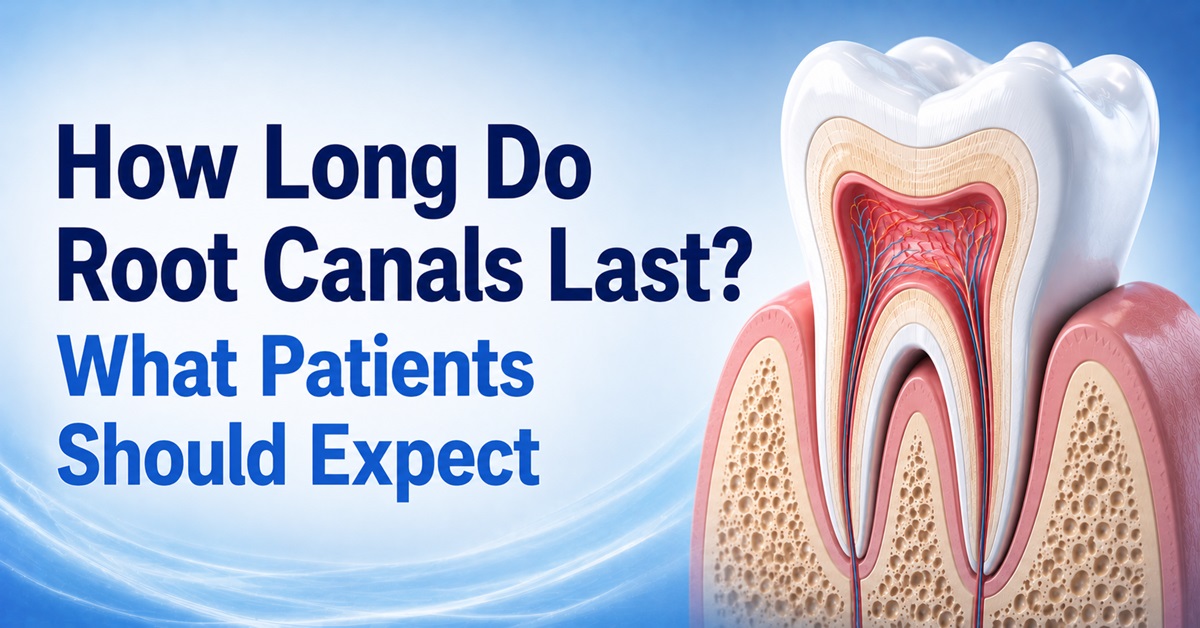
How Long Do Root Canals Last? What Patients Should Expect
Many patients feel relieved after completing a root canal, yet one important question often follows: how long do root canals last? Patients want confidence that their treatment will provide long term protection, reliable function, and lasting comfort. Understanding what influences treatment longevity can help patients make informed decisions about their oral health.
Patients seeking Root Canal Therapy in Peoria, AZ frequently ask whether a treated tooth can last for many years or even a lifetime. Questions about durability, tooth strength, crown protection, maintenance, and future dental care are common after treatment is completed.
At Sunrise Dental, our goal is to help patients understand what contributes to long term success. Root canal therapy is designed to preserve a natural tooth by removing infection and protecting the remaining tooth structure from further damage.
Patients interested in Dentistry Peoria AZ often discover that the lifespan of a treated tooth depends on several factors, including restoration quality, oral hygiene habits, chewing forces, and regular dental care. With proper maintenance, many root canal treated teeth continue functioning successfully for many years.
What Is a Root Canal?
A root canal is a procedure used to treat infection or damage inside a tooth.
The inner portion of the tooth contains soft tissue called pulp. This tissue houses nerves, blood vessels, and connective tissue. When bacteria enter this area through decay, cracks, trauma, or injury, infection may develop.
Root canal therapy involves:
- Removing infected or damaged pulp tissue from inside the tooth to stop bacterial activity and protect surrounding structures.
- Cleaning and disinfecting the internal canal system to support healing and reduce future complications.
- Filling and sealing the canals to help prevent bacteria from returning.
- Restoring the tooth with a filling or crown when needed to provide strength and protection.
The goal is to preserve the natural tooth whenever possible.
How Long Do Root Canals Last?
The answer varies from patient to patient.
Many treated teeth remain healthy and functional for years when they receive proper restoration and ongoing care.
Factors influencing longevity include:
- The condition of the tooth before treatment.
- The quality of the root canal procedure.
- The type of restoration placed afterward.
- Daily oral hygiene habits.
- Routine professional dental care.
Many patients enjoy long term success with their treated teeth when these factors work together.
Why Some Root Canals Last Longer Than Others?
Every tooth experiences different conditions throughout life.
Several factors contribute to the lifespan of a root canal treated tooth.
Tooth Location
Front teeth and back teeth experience different levels of chewing force.
Molars typically handle greater biting pressure during meals.
This may influence:
- Wear patterns.
- Structural stress.
- Restoration demands.
- Long term maintenance needs.
Amount of Remaining Tooth Structure
A tooth with substantial healthy structure often has a stronger foundation.
Greater structural integrity supports long-term stability and function.
Existing Damage Before Treatment
Large fractures, extensive decay, or severe structural loss may affect longevity.
The healthier the remaining tooth structure, the stronger the foundation for restoration.

How Long Do Root Canals Last With Crown Protection?
Patients frequently ask how long do root canals last with crown restoration.
Crowns play an important role in protecting many root canal treated teeth.
A crown covers the visible portion of the tooth and provides reinforcement.
Benefits include:
- Improved protection against fractures that may occur during chewing and biting.
- Greater structural support for weakened teeth.
- Enhanced durability during daily function.
- Long-term preservation of the treated tooth.
Teeth restored with properly fitted crowns often experience excellent longevity when maintained through routine care.
Why Crowns Are Often Recommended?
A root canal removes infected tissue from inside the tooth, though the remaining tooth structure may become more vulnerable to damage.
Crowns help by:
Strengthening the Tooth
The crown acts as a protective covering.
This support helps reduce the risk of structural failure.
Restoring Function
Patients can chew, bite, and speak comfortably after restoration.
Protecting Against Future Damage
A properly fitted crown helps shield the tooth from excessive wear and fracture risks.
How Long Do Crowns Last After Root Canal Treatment?
Another common question is how long do crowns last after root canal procedures.
Crown longevity depends on:
- Material selection.
- Oral hygiene habits.
- Biting forces.
- Dental maintenance.
- Everyday wear patterns.
Many crowns provide years of reliable service when patients maintain good oral health habits and attend regular dental visits.
Signs a Root Canal Treated Tooth Is Performing Well
Patients often wonder how to determine whether their treatment remains successful.
Healthy signs include:
Comfortable Chewing
The tooth should function normally during meals without persistent discomfort.
Stable Restoration
Crowns and fillings should remain secure and intact.
Healthy Surrounding Gums
Healthy gum tissue supports long term tooth stability.
Absence of Infection Symptoms
There should be no ongoing swelling, drainage, or persistent pain.
Routine examinations help confirm continued success.
What Can Shorten the Lifespan of a Root Canal?
Several factors may reduce longevity.
Poor Oral Hygiene
Plaque accumulation can contribute to new decay around the restored tooth.
New cavities may threaten the long term health of the tooth.
Teeth Grinding
Grinding and clenching place excessive pressure on teeth and restorations.
This stress may increase wear and fracture risks.
Delayed Crown Placement
Some patients postpone recommended restorations.
Unprotected teeth may become more vulnerable to cracking.
Dental Trauma
Accidents and injuries can affect even successfully treated teeth.
Protective mouthguards may help reduce these risks.
Can a Root Canal Fail?
Most root canals are successful, though retreatment may occasionally become necessary.
Potential reasons include:
New Bacterial Entry
Bacteria may enter through damaged restorations or untreated decay.
Hidden Canal Anatomy
Some teeth contain highly complex root structures.
Tiny spaces may occasionally harbor bacteria.
Structural Damage
New fractures can compromise tooth health and restoration integrity.
Prompt attention often improves treatment options if problems develop.
Tips to Help a Root Canal Last Longer
Patients can take several practical steps to support long term success.
Brush Thoroughly Every Day
Consistent brushing removes plaque and helps protect both treated and untreated teeth.
Floss Daily
Flossing supports gum health and helps prevent decay between teeth.
Attend Routine Dental Visits
Professional examinations help identify concerns before they become larger problems.
Wear a Nightguard if Recommended
Patients who grind their teeth may benefit from added protection during sleep.
Avoid Harmful Habits
Chewing ice, opening packages with teeth, and biting hard objects can increase fracture risks.
Common Patient Concerns
Fear of Future Tooth Loss
Many patients worry that a treated tooth may eventually require extraction.
With proper care, many root canal treated teeth remain functional for years.
Concerns About Cost
Patients often want confidence that treatment provides lasting value.
Long-term tooth preservation often supports both oral health and function.
Questions About Retreatment
Retreatment is not required for most patients, though professional evaluation remains important if symptoms return.
Worries About Crown Durability
Crowns are designed to withstand normal daily function and provide protection for restored teeth.
Regular maintenance helps maximize longevity.
The Connection Between Oral Hygiene and Longevity
Oral hygiene plays a major role in treatment success.
Healthy habits support:
- Gum tissue health.
- Restoration stability.
- Reduced bacterial accumulation.
- Long term tooth preservation.
Consistent care creates a stronger foundation for lasting results.
What Patients Should Expect Long Term?
Questions such as how long do root canals last, how long do crowns last after root canal, and how long do root canals last with crown are common among patients considering treatment.
The good news is that many root canal treated teeth remain healthy and functional for years when supported by quality restorations, strong oral hygiene habits, and regular dental care. Every patient is unique, though proper maintenance significantly improves long term success.
Schedule a Consultation Today
If there are questions about root canal therapy, crown protection, tooth longevity, or restorative treatment options, our team is ready to help. At Sunrise Dental, we are committed to providing patient focused care, honest guidance, and personalized treatment recommendations. Contact our office today to schedule an appointment, request a consultation, and learn how to protect your smile for years to come.