

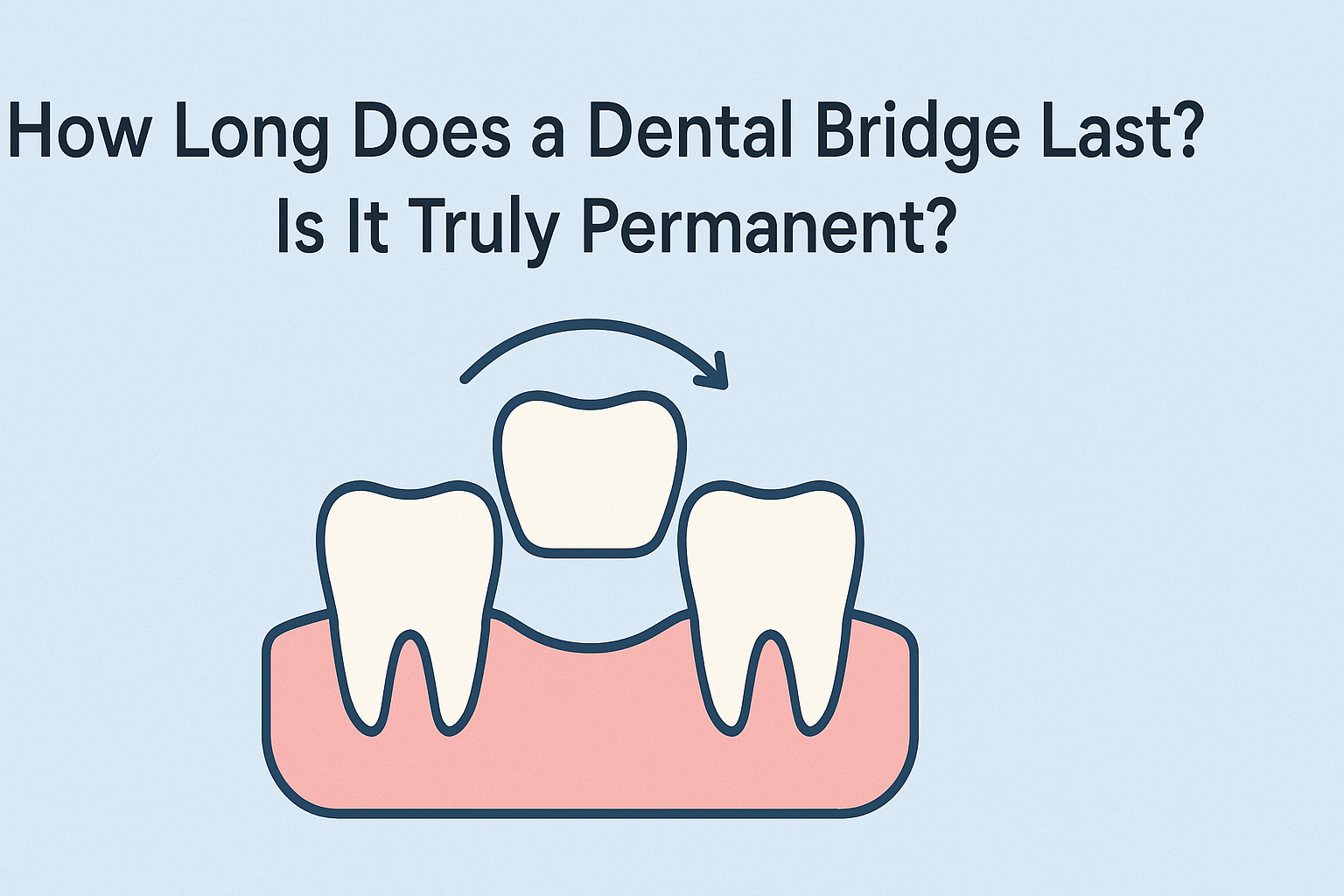
How Long Does a Dental Bridge Last? Is It Truly Permanent?
Understanding the Lifespan of a Dental Bridge
When someone invests in restorative dental care, they expect a long-lasting solution that restores function and appearance. One of the most common questions asked is how long does a dental bridge last? While many believe it to be a permanent fix, the reality is that its longevity depends on multiple factors.
If you are looking for Dental Bridges in Peoria, understanding what influences their longevity can help you make an informed choice. A bridge restores both function and appearance, but like any dental prosthetic, its durability is affected by oral hygiene, lifestyle, and professional care.
Expected Longevity of a Dental Bridge
The average lifespan of a dental bridge typically ranges between 5 to 15 years. With excellent care, some bridges can last even longer, exceeding two decades. Various factors contribute to this, including the type of material used, the technique applied during placement, and the patient’s oral hygiene habits.
Unlike natural teeth, bridges are not immune to wear and tear. The supporting teeth, also known as abutments, play a significant role in their stability. If these teeth experience decay or structural issues, it can lead to premature failure of the bridge. Regular dental checkups help in monitoring the condition of the abutments and ensuring the bridge remains in good shape.
Factors That Influence the Longevity of a Dental Bridge
Several elements determine how long a dental bridge lasts:
- Material Used – Bridges are made from porcelain, ceramic, metal alloys, or zirconia. While porcelain-fused-to-metal offers strength, zirconia bridges are known for their exceptional durability.
- Oral Hygiene Routine – Brushing twice daily with a fluoride toothpaste, flossing under the bridge, and using an antibacterial mouthwash help prevent plaque buildup and gum disease.
- Bite Force and Habits – Teeth grinding (bruxism), chewing hard foods, or using teeth as tools can put excessive pressure on the bridge, leading to cracks or dislodgement.
- Overall Dental Health – Healthy gums and strong adjacent teeth are essential. Any sign of gum recession, bone loss, or cavities on the supporting teeth can impact the bridge’s durability.
- Professional Maintenance – Visiting a Peoria Dentist every six months for examinations and professional cleanings helps identify early signs of damage or misalignment.
Is a Dental Bridge Permanent?
A dental bridge is considered a long-term solution, but it is not permanent in the same way as natural teeth. Over time, changes in the mouth, such as gum shrinkage or bone resorption, may require adjustments or a complete replacement. While some patients retain their bridges for 20 years or more, others may need a replacement sooner, especially if the bridge was not well-maintained.
Unlike dental implants, which integrate into the jawbone, bridges rely on the surrounding teeth for support. If these teeth weaken, the stability of the bridge can be compromised. In some cases, patients opt for an implant-supported bridge, which offers a more secure and longer-lasting alternative.
How to Extend the Lifespan of a Dental Bridge
Taking preventive measures significantly improves the longevity of a bridge. Here are some expert tips to make it last longer:
- Practice Thorough Oral Hygiene – Use a soft-bristled toothbrush and a water flosser to remove trapped food particles and plaque around the bridge.
- Avoid Hard and Sticky Foods – Ice, hard candies, and sticky snacks can weaken or dislodge the bridge over time.
- Wear a Nightguard if Necessary – For those who grind their teeth, a custom nightguard helps protect both the bridge and natural teeth.
- Schedule Regular Dental Visits – Routine dental checkups allow the dentist to identify minor issues before they lead to bridge failure.
- Address Underlying Dental Issues Promptly – Treating cavity, gum disease, or misalignment early prevents additional stress on the bridge.
When to Consider Replacing a Dental Bridge
Even with the best care, a bridge may require replacement due to the following reasons:
- Visible Wear and Damage – Cracks, fractures, or worn-down areas indicate the need for a new bridge.
- Loosening of the Bridge – If the bridge starts shifting or feels loose, the cement may have weakened, or the abutment teeth may be compromised.
- Discomfort or Pain – Persistent sensitivity or discomfort while chewing could signal underlying decay or an ill-fitting bridge.
- Gum Recession – If the gum tissue around the bridge recedes, it may expose the bridge margins, leading to a less secure fit.
Conclusion: A Lasting Investment in Oral Health
A dental bridge offers a dependable solution for restoring missing teeth, improving chewing ability, and enhancing aesthetic appeal. While not permanent, with proper care, it can last for many years, maintaining both function and appearance. For those seeking long-term results, investing in preventive maintenance and regular checkups is the key to ensuring the durability of the bridge.
For patients looking for expert guidance on dental restorations, professional consultations provide personalized recommendations based on individual oral health needs. If there are any concerns about an existing bridge or if a replacement is needed, scheduling an appointment with a trusted dental professional ensures the best possible care. Book a visit today to receive a comprehensive evaluation and personalized care plan tailored to maintaining a healthy, confident smile.