

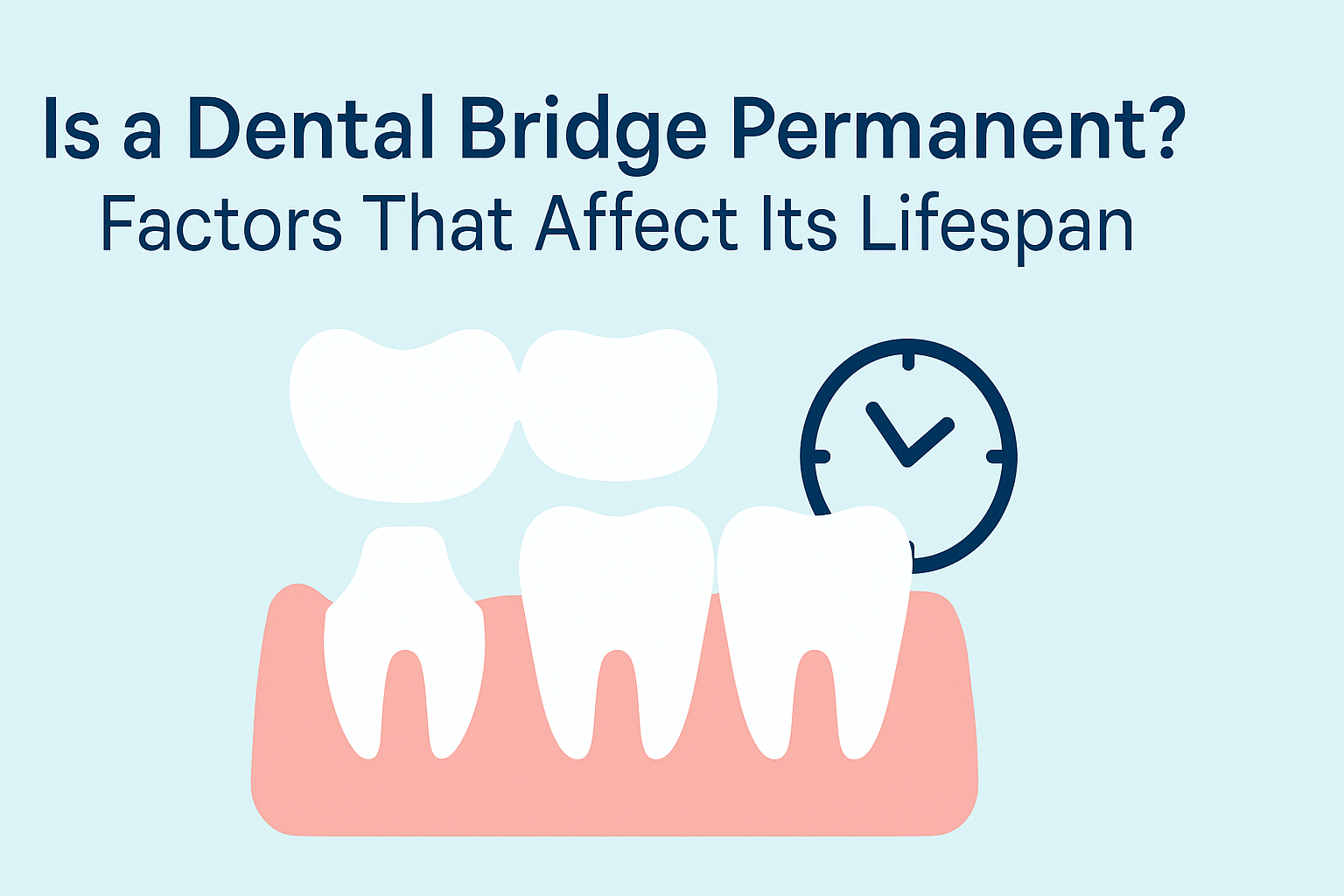
Is a Dental Bridge Permanent? Factors That Affect Its Lifespan
Missing teeth can affect confidence, bite function, and oral health. A dental bridge provides a reliable way to restore a full smile, but many wonder how long it will last. Is a dental bridge permanent, or will it need to be replaced? Understanding what impacts its durability can help in making an informed decision.
What Determines the Lifespan of a Dental Bridge?
A dental bridge is crafted to restore missing teeth by anchoring artificial ones to natural teeth or implants. Its longevity depends on various factors, including material strength, oral hygiene, and overall dental health. While some assume it will last forever, bridges require care to maximize their effectiveness.
If you are looking for Dental Bridges in Peoria, options include porcelain, metal, and zirconia. Each type affects strength, aesthetics, and longevity. With proper care, a bridge can remain functional for over ten years.
Types of Dental Bridges and Their Durability
There are multiple types of dental bridges, each offering a different level of strength and longevity:
- Traditional Bridges: These rely on crowns placed on adjacent teeth. They can last 10 to 15 years with good care.
- Cantilever Bridges: Used when only one side has supporting teeth. They tend to have a shorter lifespan due to uneven pressure.
- Maryland Bridges: These have metal or porcelain wings bonding to existing teeth, making them a less invasive option but not as strong.
- Implant-Supported Bridges: These use dental implants instead of natural teeth for support, making them the most durable option.
Understanding is a dental bridge permanent or removable depends on its type. Traditional and implant-supported bridges are fixed solutions, while removable partial dentures are an alternative for those looking for a non-permanent option.
How Oral Hygiene Impacts a Dental Bridge’s Longevity
Caring for a dental bridge is similar to maintaining natural teeth. Brushing twice daily, flossing, and using an antibacterial mouthwash help prevent plaque buildup and gum disease. Poor oral hygiene can weaken the supporting teeth, leading to premature failure of the bridge.
Dentistry Peoria AZ professionals often recommend using a floss threader or water flosser to clean beneath the bridge. Routine dental checkups help detect issues early, ensuring the bridge remains intact for years.
Diet and Lifestyle Choices That Affect a Dental Bridge
Certain foods and habits can either protect or shorten the lifespan of a bridge. Hard, sticky, or acidic foods increase the risk of damage. Chewing ice, biting nails, or using teeth as tools can weaken the structure over time.
Tobacco use and excessive alcohol consumption contribute to gum recession and decay around the bridge. A well-balanced diet rich in vitamins and minerals supports strong teeth and gums, promoting the bridge’s longevity.
When Should a Dental Bridge Be Replaced?
Despite excellent care, a bridge may need replacement over time. Signs that indicate it’s time for a new one include:
- Loose or shifting fit – Natural teeth underneath may weaken, causing instability.
- Visible wear or fractures – Cracks or chips can affect function and appearance.
- Gum recession – Exposed roots can lead to discomfort and an increased risk of decay.
- Persistent bad breath or discomfort – These could indicate underlying issues requiring professional attention.
Regular dental visits allow for early detection of problems before they become severe. If a bridge shows signs of wear, a dentist can recommend the best course of action.
Maximizing the Lifespan of a Dental Bridge
To keep a dental bridge in optimal condition:
- Maintain excellent oral hygiene by brushing, flossing, and scheduling regular cleanings.
- Choose a healthy diet that avoids excessive sugar and acidic foods.
- Avoid harmful habits like chewing on hard objects or grinding teeth.
- Visit a dentist regularly to assess the bridge’s condition and address concerns early.
Final Thoughts
While is a dental bridge permanent is a common question, the answer depends on maintenance and lifestyle choices. A bridge can provide years of reliable function when cared for properly. Regular dental visits and mindful oral habits play a significant role in ensuring it lasts as long as possible.
For those considering a dental bridge or needing a replacement, scheduling a consultation with a professional can provide personalized guidance. A strong, healthy smile is always worth the investment.