

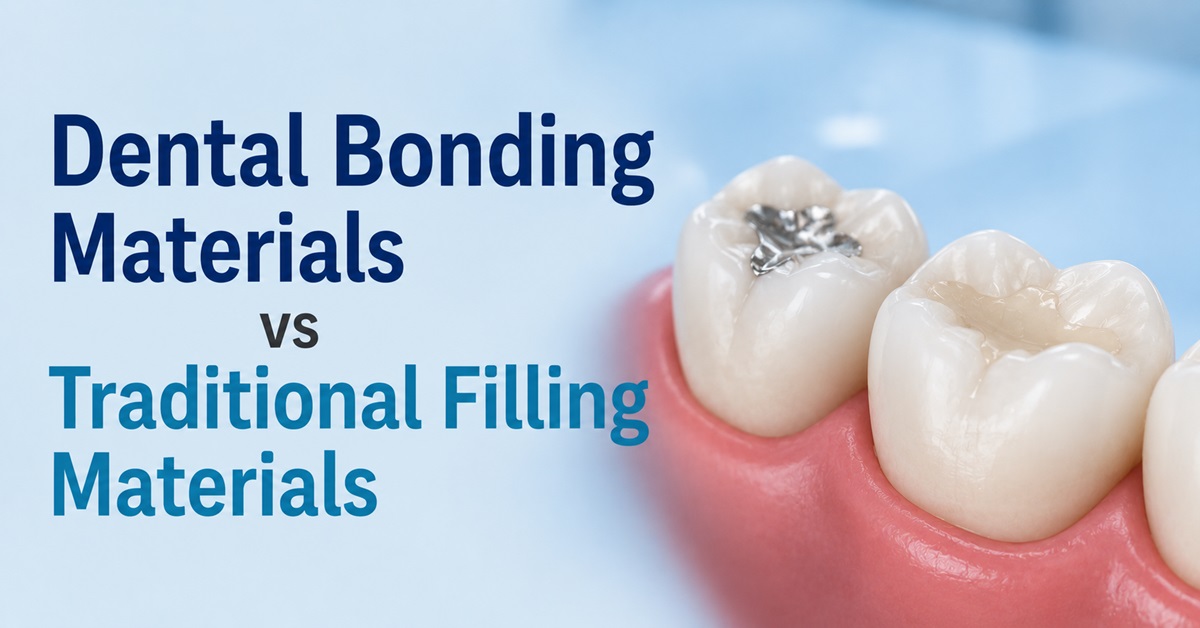
Dental Bonding Materials vs Traditional Filling Materials
Choosing the right material for a damaged or decayed tooth can feel confusing. Every patient wants a restoration that looks good, feels comfortable, and lasts for years. Our team helps patients compare available options so each treatment matches oral health needs and smile goals.
Patients searching for Dental Bonding in Peoria, AZ often ask about the difference between dental bonding materials and traditional filling options. Learning about composite resin, tooth restoration, cavity repair, enamel preservation, and cosmetic treatment helps patients feel more confident when selecting the right solution.
What Are Dental Bonding Materials?
Dental bonding material is a tooth colored composite resin that repairs chipped teeth, small cavities, worn enamel, and cosmetic flaws. The resin bonds directly to the natural tooth, creating a smooth appearance that blends with surrounding teeth.
Traditional filling materials may include silver amalgam, gold, or other restorative materials. Each option has a different purpose depending on the location of the tooth, the amount of damage, and bite pressure.
Dental Bonding Materials vs Traditional Filling Materials
A consultation with a dentist Peoria AZ helps determine which restoration fits each patient’s needs.
Appearance
- Composite resin closely matches the natural shade of nearby teeth. This makes bonding an excellent choice for visible front teeth and other areas where appearance matters.
- Traditional silver fillings are more noticeable, making them a common option for back teeth where appearance is less of a concern.

Tooth Preservation
- Dental bonding materials attach directly to the tooth, allowing more healthy enamel to remain during treatment.
- Some traditional fillings may require a larger area of the tooth to be prepared before placement.
Strength and Longevity
- Bonding works well for small to moderate repairs and cosmetic improvements. Good oral hygiene and routine dental care help the restoration remain attractive for many years.
- Traditional filling materials may perform better in areas exposed to heavy chewing pressure or larger cavities.
Which Option Is Right for You?
The best restoration depends on several factors.
- Location of the tooth affects material selection. Front teeth often benefit from tooth colored bonding, creating a natural smile.
- Size of the damaged area helps determine if bonding or another filling material offers better long term performance.
- Daily habits such as teeth grinding or chewing hard objects may influence treatment recommendations.
Our team evaluates each patient’s oral health before recommending the most suitable restorative option.
Tips for Protecting Any Restoration
Healthy habits help every restoration last longer.
- Brush twice each day with fluoride toothpaste and floss daily to reduce plaque buildup around restored teeth.
- Limit chewing ice, hard candy, or nonfood objects that place extra pressure on dental restorations.
- Visit the dental office for regular examinations and professional cleanings so restorations remain in good condition.
- Wear a custom night guard if teeth grinding places repeated force on bonded teeth or fillings.
Final Thoughts
Both dental bonding material and traditional filling materials provide valuable solutions for repairing damaged teeth. The right choice depends on appearance goals, tooth location, bite forces, and the amount of tooth structure needing repair. At Sunrise Dental, our team provides personalized treatment recommendations based on every patient’s smile. Schedule an appointment today to learn which restorative option best supports long lasting oral health and a confident smile.