


Does Dental Bonding Hurt? Here’s What Dentists Say
It’s a common concern that makes many people hesitate. You feel something chipped, worn, or just not quite right with a tooth, but the first question that comes to mind is: does dental bonding hurt? That fear of discomfort often holds people back from seeking care that could actually improve their daily comfort.
At Sunrise Dental, we understand that the idea of any dental procedure can bring up questions. Whether it’s your first time considering bonding or you’re looking to fix minor damage, knowing what to expect makes all the difference. If you’re searching for Dental Bonding in Peoria AZ, we’re here to help you feel confident in your decision with honest, clear answers.
What Is Dental Bonding and Why Do People Choose It?
Dental bonding is a method used to restore chipped, cracked, worn-down, or discolored teeth using a tooth-colored material called composite resin. It blends with your natural teeth and bonds securely to the surface without removing healthy structure.
This process is often chosen for:
- Repairing minor chips and cracks
- Filling small gaps between teeth
- Restoring teeth that have thinned or eroded
- Enhancing the shape or length of teeth
- Covering stains that whitening cannot fix
It’s minimally invasive and cost-effective compared to other cosmetic treatments like veneers or crowns. That’s why many people view it as a reliable option to improve both appearance and comfort without altering the natural tooth structure.
Does Dental Bonding Hurt? Let’s Break It Down
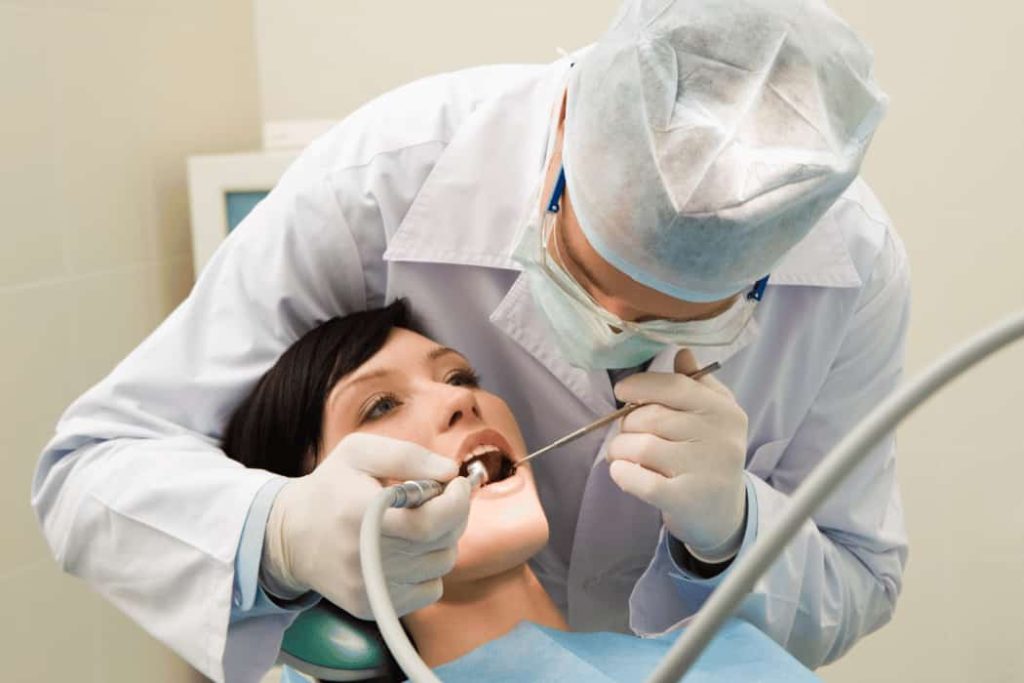
The answer is simple and reassuring: Does dental bonding hurt? No, not typically. In most cases, bonding is painless. The tooth’s surface is lightly etched, but there’s no drilling into the inner part where nerves are located.
Here’s what patients usually feel during the process:
- Mild pressure as the material is shaped
- Cool air during drying between steps
- A brief light application to harden the resin
Since no deep work is done inside the tooth, numbing isn’t usually needed. People often compare it to getting a nail buffed or having a temporary sticker placed on a smooth surface.
Why Dental Bonding Is So Comfortable
Comfort is key during any procedure. At Dentistry Peoria AZ, the process is handled with care to keep it stress-free. Here’s how comfort is maintained during bonding:
- No shots in most cases, since the surface layer is untouched
- Quick sessions that often take less than an hour per tooth
- No post-treatment soreness unless combined with another treatment
- No downtime, so you can eat and speak normally the same day
Patients often feel surprised by how easy it is. Those who were once anxious find the visit quick and even relaxing.
Addressing Common Concerns and Sensitivity
Some people worry about pain not during the appointment, but after. While bonding doesn’t hurt, here’s what some experience temporarily:
- Mild tooth sensitivity to temperature changes, especially with previously worn enamel
- Slight soreness in the gums if the area was close to the edge
- Adjustment period when the bite feels different for the first day or two
These issues are brief and manageable. Sensitivity often fades within a few days. If adjustments are needed, follow-ups are simple and quick.
Tips to Stay Comfortable After Bonding
Once the bonding is complete, comfort usually continues. Still, these steps can help reduce sensitivity and support the longevity of your bonded teeth:
- Use sensitive toothpaste with fluoride for a few days
- Avoid extremely hot or cold drinks right after the procedure
- Do not bite hard items like ice, pens, or fingernails
- Rinse with lukewarm water instead of cold water after meals
- Use a mouthguard if you clench or grind at night
Bonded teeth are strong, but treating them with care keeps them lasting longer and feeling their best.
What Makes Bonding a Popular Choice?
Beyond comfort, bonding offers several benefits that make it a go-to solution for many patients. These include:
- Fast improvement in appearance and function
- Affordable cost compared to other cosmetic treatments
- Minimal alteration to natural teeth
- Reversible and adjustable, so future changes are easy
- Natural appearance with color-matched material
Bonding is well-suited for both cosmetic fixes and practical repairs. Patients of all ages benefit from it, especially those who want subtle, non-invasive care.
When Is Bonding the Right Option?
Dental bonding works well in many situations, especially when the damage is minor and the tooth is still strong. Consider bonding if you:
- Have a small chip or worn edge
- Are you unhappy with the shape of a tooth
- Need to repair a discolored spot
- Want a fast and gentle cosmetic fix
If the tooth has deeper damage or large decay, other treatments may be better. Your dentist will explain all options and help you make a decision based on comfort, function, and appearance.
The Appointment Process: What to Expect
The process for bonding is straightforward. Most treatments follow these steps:
- The dentist examines the tooth and selects the matching shade
- The surface is prepped gently for better bonding
- Composite resin is applied and shaped with care
- A special light is used to harden the material
- The bonded area is polished to feel smooth and look natural
There is no long recovery, no packing, and no dietary restrictions. You walk out with your new smile, ready to use.
Trusting the Right Team Makes All the Difference
At Sunrise Dental, we make patient comfort a top priority. We know that questions like does dental bonding hurt? Often come from past dental fears or bad experiences. Our team takes the time to listen, guide, and care for each person with respect and attention.
Bonding can offer more than cosmetic repair. It can bring peace of mind, relief from sensitivity, and a confident smile. From reshaping worn edges to sealing small flaws, this treatment has helped many people regain trust in their smile.
If you’re ready to improve your teeth with gentle care, we’re here to help. Book a consultation today and take the first step toward safe, effective, and comfortable dental bonding.