


How Long Do Dental Implants Last On Average?
Dental implants are magical solutions designed for those with missing one or more teeth due to decay, injury, or some other dental issues. Their unique feature of being able to restore normal tooth appearance as well as functionality is the primary reason for their fame. Nevertheless, one of the frequently asked questions among those who are considering this treatment is: “How long will they really last?”
The sustainability of your new teeth in restorative dentistry is influenced by multiple factors, the most important ones being your jawbone’s health, the way you take care of them, and the level of your dentist’s professionalism. Although a newly inserted tooth seems to be the best possible solution, there are still some details about long cultivation that you should keep in mind. In case you are looking for a Sedation Dentist Peoria to reassure your comfort during treatment, you should be well informed how implants behave over time.
The Reason for the Popularity of Dental Implants
Dental implants are usually the best choice for tooth replacement since they are usually fused with the jawbone during a process called osseointegration. This fusion ensures that the implant behaves just like a real tooth root and is fixed firmly in its location. Not only for the looks are they used, but also for the following reasons:
- Stop bone loss by giving the jawbone a workout.
- Impart stability to neighboring teeth thus keeping them in place.
- Upgrade the eating and speaking functions of the mouth which makes it more comfortable.
- Supply a long term, cost-effectiveness, since carefully maintained implants can accompany you for many years.
Implants, by the way, only take less maintenance than bridges or dentures. Despite this, they may display certain difficulties as well. This largely hinges on how committed you are to your oral health regimen and regular check-ups.
How long do Dental Implants last on average?
A common lifespan for a single dental implant is anywhere from 10 to 30 years. Many patients wear their implants even more than that. These are some of the factors that determine how long the implants work:
- Oral Hygiene Habits: Good oral care also includes proper cleaning and regular dental visits to make an implant last longer.
- Gum Health: Strong and healthy gums need to be present to allow the implants. Gum disease or infection around an implant (peri-implantitis) may cause its lifespan to be reduced.
- Lifestyle Choices: Smoking and other tobacco products can delay wound healing and the chance of implant failure.
- Bone Density: The volume and the type of jawbone are crucial for the process of the integration and the durability of the implant.
- Professional Care: Regular dental checkups are essential to remember in diagnosing early problems. This will in turn assist in keeping your implant secure and functional.
Dental implants when managed properly can give you a motive to smile for years and some can even function as natural teeth for life. It does not deny that every patient may have different results.
How long do Mini Dental Implants last
A mini dental implant is the smaller version of a traditional implant and is mostly used in the case of a low bone density patient or to avoid less invasive procedures. The other alternative, everything else being the same, includes the use of mini implants to help only in the case of a denture to be fixed in the mouth and for the replacement of small teeth in front. While mini implants provide most of the same benefits, they may not remain effective as long as their regular counterparts do.
- Longevity Range: Mini implants might survive up to (or even longer than) 10 years, even though their being smaller than standard sizes can make them somewhat weaker and they may be more sensitive to wear and tear.
- Care Essentials: You can secure the area from the infections by just the same way you do with regular implants, that is, taking care of proper oral hygiene.
- Bone Health Factor: In the case your jawbone is not dense enough for the bare bone which would normally be placed in your dental cavity the mini implants become your only option. But, you need the same things for the success of the mini implants as the major ones: having clean gums, strong bones, and regular dental visits.
How long do Full mouth Dental Implants last
For people who lack several teeth, the teeth of the mouth full of dental implants (also referred to as full-arch implants) can be transformative in their lives. This method involves putting in numerous implant posts across the jaw, which will then carry a full-arch prosthesis of artificial teeth. By means of this approach:
- Possible Longevity: They can stay 15 or more years in patients receiving full mouth dental implants. A proper take care of “them” is what makes them last age 20, 25 years, potentially 30 years.
- Bone Maintenance: The stability achieved by distributing the pressure over multiple implants may also reduce the risk of cracking at a single point. This stable structure often implies a longer life span.
- Global Approach: As the whole arch is replaced, the patients have to keep their development at a very high level in terms of their own mouth hygiene including their regular dentist visits.
Full mouth restorations might be more intricate than single implants. Your case may involve more than one consultation, bone grafts, or sinus lifts, based on your individual anatomical conditions. The usual result is that the patient gets his or her smile whole and it looks and feels natural. The patient must be very strict with his/her dentist’s instructions in order to obtain the best possible outcome.
Maintaining Your Dental Implants for Lasting Results
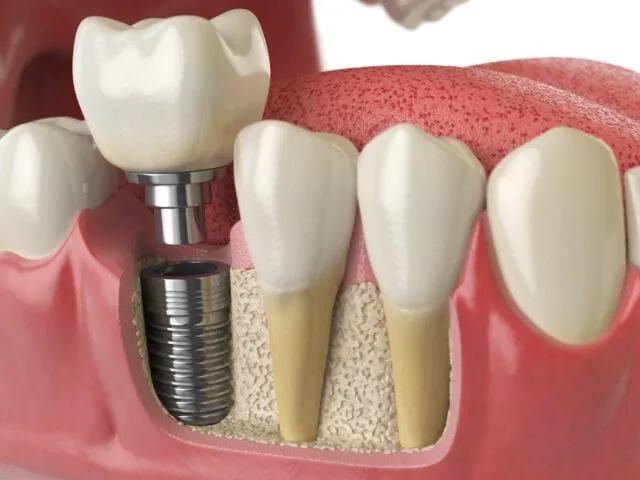
If you have a single implant, a mini implant or a full mouth restoration, you may want to retain these items for the longest period of time. Here are some tips that can help you make the most out of them:
- Clean and Floss Every Day: You can keep the implants looking good by using a toothbrush with gentle bristles and non-abrasive toothpaste and thus not to cause the gum tissue to be inflamed surrounding the implant.
- Use Antibacterial Rinses: Gargling antibacterial mouth rinse can contribute to the decrease in plaque formation.
- Avoid Hard Foods and Bad Habits: Biting up a piece of ice or something hard can chip your crowns or weaken the implants beneath.
- Make Regular Checkups Appointments: Professional cleanings and exams are an essential part of the preventive approach, which allows the dentist to determine the issues in the earliest stage and prescribe the best treatments.
- Deal with Your Dental Problems Very Soon: The truth, however, is that if you have noticed the pain, swelling or any other kinds of symptoms, contact your dentist immediately to get the problem resolved.
Conclusion
Dental implants are one of the reliable and long-lasting solutions that can really change the way you talk to others and restore your mouth function. Of the teeth being lost or problems with wearing-technology has been the driving force behind the triumph of dental implants from single restorations to full mouth of new teeth. This has allowed the offering of dental patients the most stable and best-looking options ever. But, as with any health investment, the key to success lies in good oral care practices and regular visits to your dental professional.
One can pick the best assurance provider if he knows the various factors that determine the durability of dental implants, be it a single tooth, mini implants, or the whole arche. So, you are not just becoming aware of gain but also of loss. Say the case is you, the one who has decided to step in the field of implantology for the first time or who is thinking of extending sustainability to the ones already in place, coping with your dilemmas from the very start will push you through many years of confident and least hair-raising happiness.